Riga Cathedral: History, Famous Organ and Visitor Guide
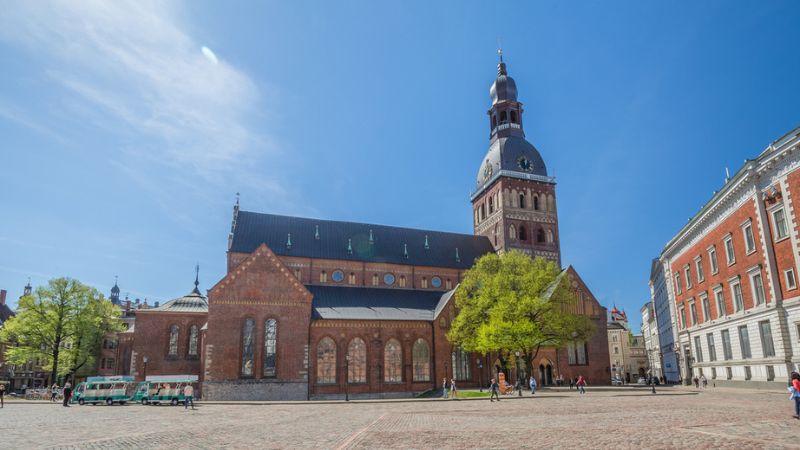
Few landmarks earn their place on a first-day itinerary the way Riga Cathedral does. Rising over Dome Square in the heart of Old Town, it has watched the city grow for more than 800 years, and it still works as a living church, a concert hall and a record of nearly every architectural style Latvia has passed through.
For visitors interested in history, architecture or music, Riga Cathedral rewards more than a quick photo stop. The building itself tells the story of medieval Livonia, the Reformation and the Hanseatic trade that built Riga, while its organ remains one of the most celebrated instruments in Europe. RigaInfo.com has put together this guide to help you understand what you are looking at and plan your visit with confidence.
Riga Cathedral, formally the Cathedral Church of Saint Mary, is Latvia's largest medieval church and the seat of the Archbishop of the Evangelical Lutheran Church of Latvia, known for its 1884 Walcker organ and its position on Dome Square in Riga's Old Town.
Key Takeaways
-
Riga Cathedral began in 1211 and grew through Gothic, Baroque and Art Nouveau changes over the centuries.
-
Its 1884 organ, with 124 stops and 6,718 pipes, remains one of the world's most valuable historic instruments and can be heard at regular concerts.
-
Visiting takes about 1 to 1.5 hours, longer if you attend a concert, and the cathedral sits steps from Riga Castle and other Old Town sights.
How Did Riga Cathedral Become a Landmark?
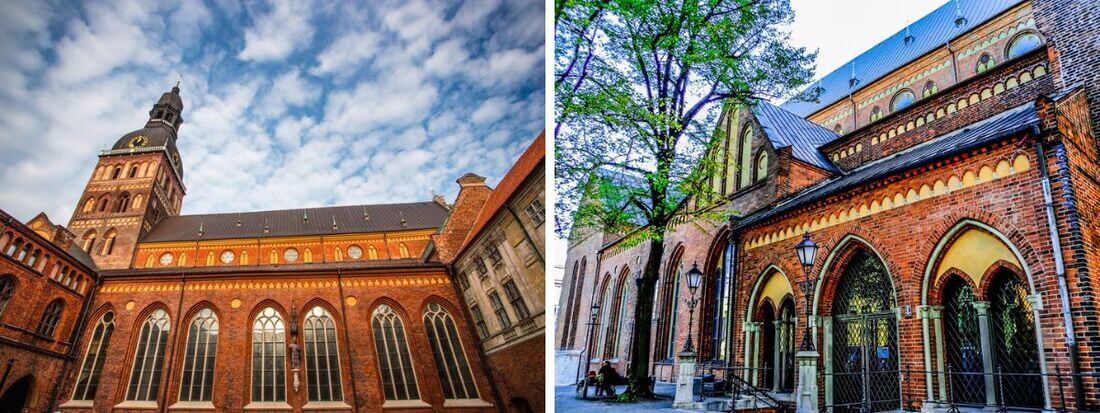
Riga Cathedral became a landmark because it has served continuously as the spiritual and architectural center of the city since the 13th century, surviving fires, wars and religious change while staying in active use. Few buildings in the Baltic region carry that kind of unbroken presence.
Why Was the Cathedral Founded in 1211?
Bishop Albert laid the foundations of the cathedral in 1211, shortly after establishing Riga as a base for spreading Christianity through Livonia. The building was dedicated to the Virgin Mary and quickly became the main bishop's church for the region.
It grew into the largest medieval church in the Baltic states, built with brick walls up to two meters thick. That scale reflected Riga's importance as a trading and religious center under the Archbishop of Riga.
How Has Its Role Changed Since Medieval Livonia?
The cathedral served as Livonia's chief bishop's church until Livonia collapsed in 1561, after which the city moved toward the Reformation. It later became Lutheran and today functions as the seat of the Archbishop of the Evangelical Lutheran Church of Latvia, part of the Latvian Evangelical Lutheran Church.
A major fire in 1547 destroyed the original Gothic spire. A new tower with a pyramidal top was finished by 1595, and the weathercock from that era still sits in the cathedral's cloister.
What Makes the Riga Cathedral Organ Famous?
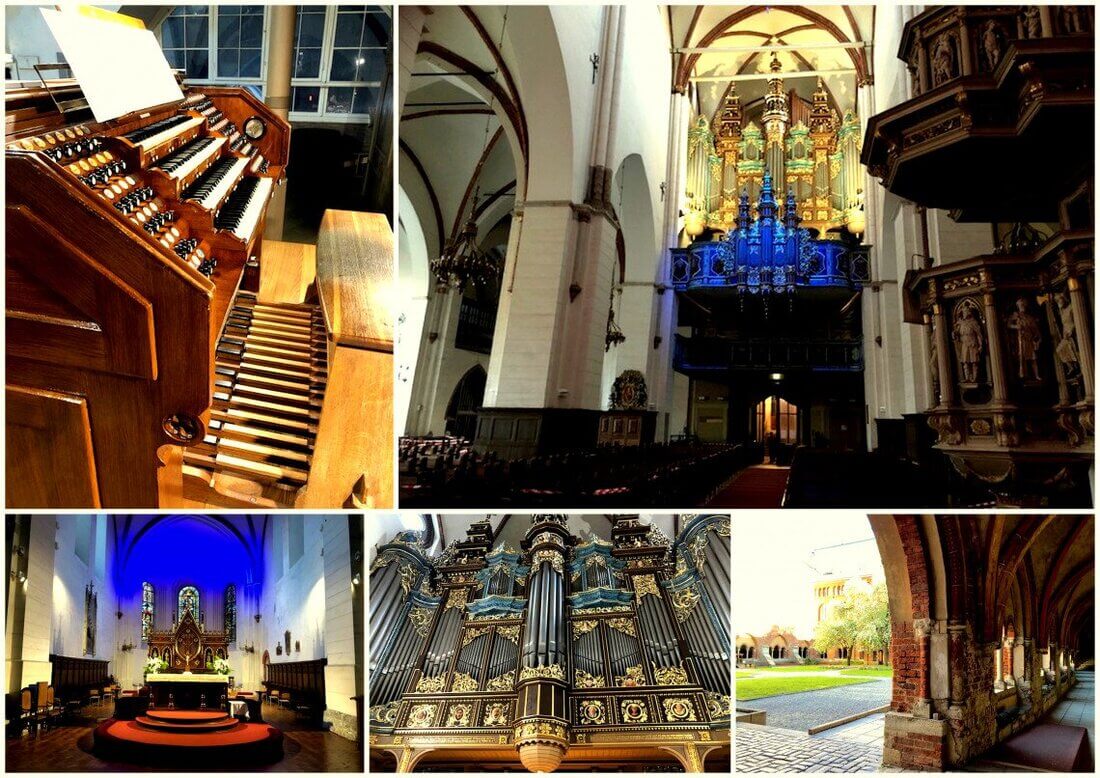
E.F. Walcker & Co of Germany built the current organ between 1883 and 1884, after an earlier instrument burned in the 1547 fire and a second organ served the cathedral for 280 years. The Walcker organ has 124 stops, four manuals and pedals, and 6,718 pipes spread across 26 wind chests.
That makes it the second largest pipe organ in Latvia by some measures and one of the most significant Romantic-era organs in Europe. Rīgas Doms, as locals call it, has built its musical reputation around this instrument for more than a century.
How Can Visitors Hear It Today?
Regular organ concerts let visitors hear the instrument in the space it was built for. Programs change by season, so checking the current schedule on the cathedral's own website before your trip helps you time your visit around a performance.
Seating near the front gives a clearer sense of the organ's range, from deep pedal tones to delicate upper stops. Arriving 15 to 20 minutes early secures a good seat for popular concert dates.
What Should You Look for Inside?
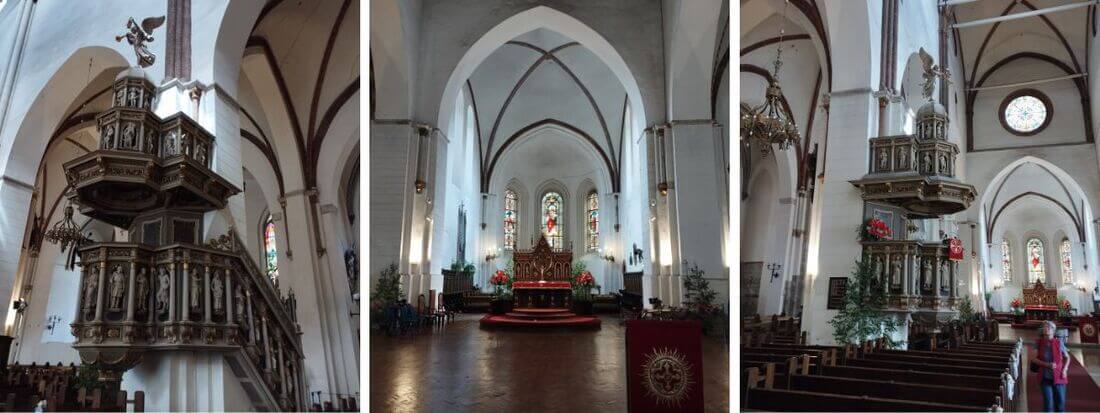
Inside Riga Cathedral, look for the layers of architecture, the quiet cloister and the memorials that mark centuries of Riga's history. Each area rewards a slower look rather than a quick walk-through.
Architecture Shaped by Eight Centuries
The cathedral mixes Romanesque arches, early Gothic vaulting, Baroque additions and later Art Nouveau details added during restoration work. Standing in Dome Square, you can trace several of these styles just by looking at the different sections of the facade and tower.
This blend makes the building unusual even among other Dome Cathedral-style churches across the Baltic states.
The Cloister
The cloister, built in stages from the 13th century onward, holds carved stones, old building fragments and the historic weathercock saved from the 1595 tower rebuild. It offers a quieter, more intimate contrast to the main nave.
Memorials and Historic Details
Memorial plaques, old tombstones set into the floor and carved details from different centuries line the interior walls. Stained glass windows filter light across the nave, a detail worth pausing for on a sunny afternoon.
How Do You Plan a Visit?
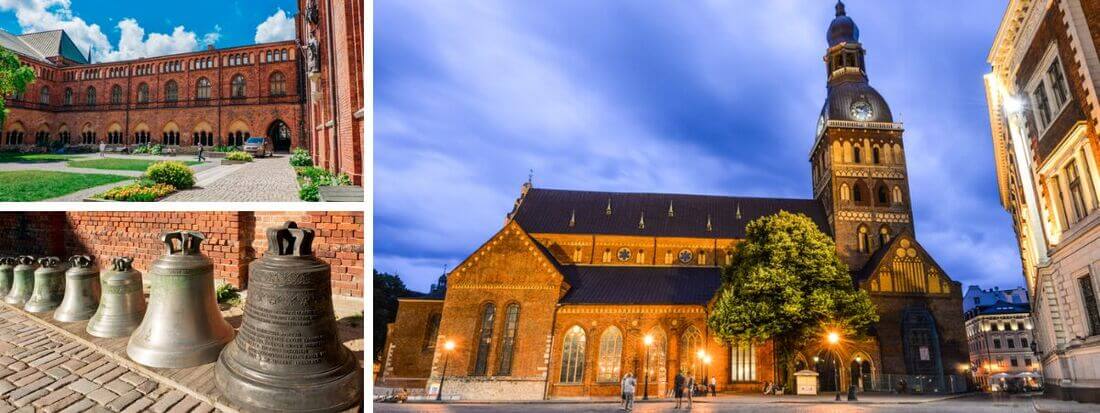
Plan to visit Riga Cathedral by heading to Dome Square in central Old Town, checking hours and concert times in advance, and allowing roughly 1 to 1.5 hours inside. A little planning avoids wasted time at the door.
Where Is It in Riga Old Town?
The cathedral sits on Dome Square (Doma laukums), one of Old Town's main gathering spaces and a natural point for orienting yourself. Riga Castle is a short walk away along the riverside streets, making it easy to combine both stops in one outing.
Opening Hours, Admission and Accessibility
Admission runs roughly €3 to €10 depending on whether an organ concert is included, with general entry often around €5. Hours vary by season and by event schedule, so confirming current times on the cathedral's official site before you go saves a wasted trip.
Main floor areas are accessible to visitors with mobility needs, though some historic sections, like narrow cloister passages, may be harder to navigate.
Is It Worth a Stop in Riga Old Town?
Riga Cathedral earns its place on an Old Town itinerary for anyone interested in history, architecture or music. It is worth noting that this Lutheran cathedral is a separate building from Riga's Catholic St. James's Cathedral, so travelers researching both should keep the names straight when planning stops.
Even a half-hour visit shows the scale of the nave and the organ's imposing case. Visitors with more time can pair a look inside with a concert, then continue to nearby Riga Castle or wander the surrounding streets of Vecrīga. RigaInfo.com's local guides can help you build out the rest of your Old Town day around sights like these.
Conclusion
Riga Cathedral brings together eight centuries of history, a working Lutheran congregation and one of Europe's great historic organs in a single building on Dome Square. Its Romanesque foundations, Gothic and Baroque additions, and later Art Nouveau touches make it a rare architectural record, while its concert programme keeps that history audible rather than just visible. A short visit shows the scale of the place; a concert ticket or a slower walk through the cloister shows its depth.
As you continue exploring Riga and Latvia, take time to wander beyond the cathedral walls and discover more of what the Old Town and the wider country have to offer.
Frequently Asked Questions
Is entry to Riga Cathedral free?
Entry is not free. General admission runs roughly €3 to €10 depending on whether the ticket includes an organ concert, so check current pricing before your visit since rates can change.
Can you hear the organ without attending an evening concert?
Hearing the organ usually means attending a scheduled concert, as performances happen at set times rather than continuously throughout the day. Checking the cathedral's concert calendar in advance helps you catch a performance during daytime hours as well as evenings.
Do you need to book the tower or organ balcony in advance?
Special access, such as tower visits or seats closer to the organ balcony, often requires advance arrangement rather than walk-up entry. Confirming availability on the cathedral's official website before your trip avoids disappointment.
How long should you allow for a visit?
Plan for about 1 to 1.5 hours for a standard visit covering the nave, cloister and main architectural highlights. Add extra time, closer to 2.5 to 3 hours, if you plan to attend a concert or explore the tower.
Is Riga Cathedral wheelchair accessible?
The main floor and nave are accessible to visitors using wheelchairs or with limited mobility. Some older sections, including parts of the cloister, have narrower passages that may be harder to navigate, so it helps to ask staff about the easiest route on arrival.
Contacts
Herdera laukums 6, Centra rajons, Rīga, LV-1050
(+371) 28 909 686